
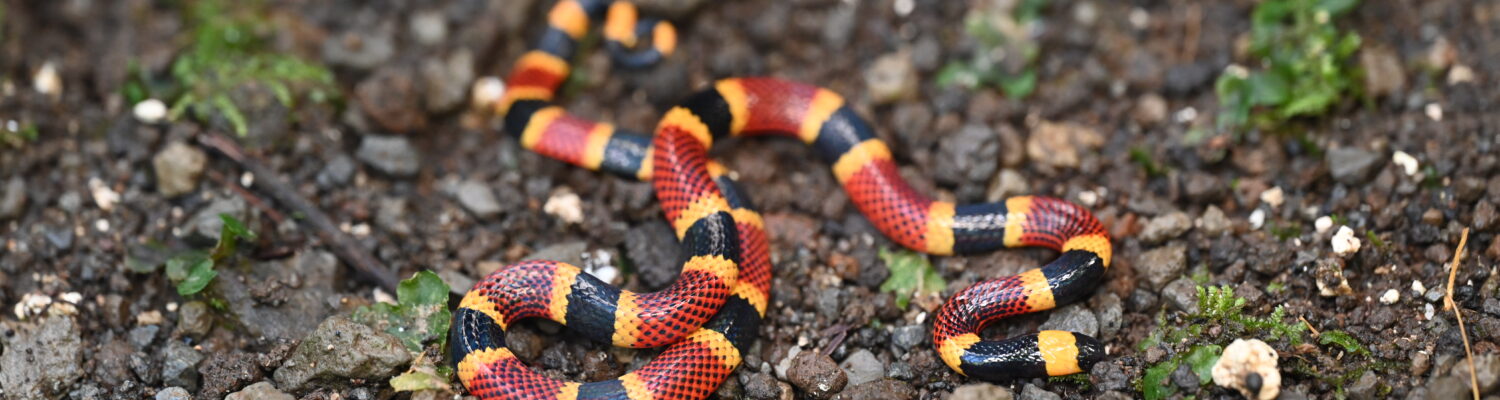
If you’ve ever lifted a rock, flipped a log, or walked along a desert trail hoping to see a snake, frog, or lizard, you’ve already experienced a bit of herping. The term “herping” refers to the activity of searching for reptiles and amphibians in the wild. Enthusiasts who practice it are often called herpers, and the hobby blends outdoor adventure, wildlife observation, photography, and a deep appreciation for nature.
Herping has grown into a popular hobby among wildlife lovers, hikers, photographers, and naturalists. For many people, it’s the thrill of discovering animals that most people rarely notice, hidden under rocks, basking quietly in the sun, or calling from wetlands after dark.
The Meaning Behind the Word “Herping”
The word herping comes from the scientific term herpetology, which is the study of reptiles and amphibians. While herpetology is the formal scientific discipline practiced by researchers and biologists, herping is the recreational or observational side of the same interest.
In simple terms:
- Herpetology = the scientific study of reptiles and amphibians
- Herping = going out into nature to find and observe them
Many professional herpetologists actually started as hobbyist herpers. Spending time outdoors looking for wildlife often sparks curiosity about ecosystems, conservation, and animal behavior.
What Animals Do Herpers Look For?
Herping focuses on two main groups of animals:
Reptiles
Reptiles are cold-blooded animals that usually have scales and lay eggs. Common reptiles that herpers look for include:
- Snakes
- Lizards
- Turtles and tortoises
- Crocodilians (in certain regions)
Many reptiles rely on the sun to regulate their body temperature, which is why they’re often seen basking on rocks, roads, or logs.
Amphibians
Amphibians are animals that typically live part of their lives in water and part on land. Their skin is moist and sensitive to environmental changes. Herpers often search for:
- Frogs
- Toads
- Salamanders
- Newts
These animals are especially active in wet environments or after rainfall, making rainy nights some of the best times for herping.
What Is Field Herping?
When people talk about field herping, they’re referring to actively going out into natural habitats to locate reptiles and amphibians. This might happen in many different environments, such as:
- Deserts
- Forests
- Wetlands
- Grasslands
- Mountains
- Rivers and ponds
Field herping often involves techniques like:
- Flipping cover objects such as rocks or logs
- Walking trails or roads at night with a flashlight
- Checking ponds or streams for amphibians
- Searching basking spots where reptiles warm themselves
Many herpers also bring cameras to document the animals they encounter. Wildlife photography has become a huge part of the hobby.
Why People Love Herping
For many enthusiasts, herping is more than just looking for animals, it’s about exploration and discovery.
Some of the biggest reasons people enjoy herping include:
The thrill of the search- Reptiles and amphibians are masters of camouflage. Finding one can feel like uncovering a hidden treasure.
Learning about ecosystems- Herping helps people understand habitats, seasonal patterns, and how wildlife interacts with the environment.
Wildlife photography- Many herpers document their finds with photographs, contributing to wildlife databases and conservation awareness.
Conservation awareness- Seeing these animals in their natural habitat often inspires people to protect them and the ecosystems they depend on.
Final Thoughts
Herping is one of the most exciting ways to connect with nature. Whether you’re exploring a desert trail for lizards, listening for frogs after a summer rain, or spotting a snake basking on a rock, every outing offers the chance to discover something new.
At its heart, herping is about curiosity, patience, and respect for wildlife. The more time you spend outdoors searching for reptiles and amphibians, the more you start to appreciate the incredible diversity of life hiding right beneath our feet.
